
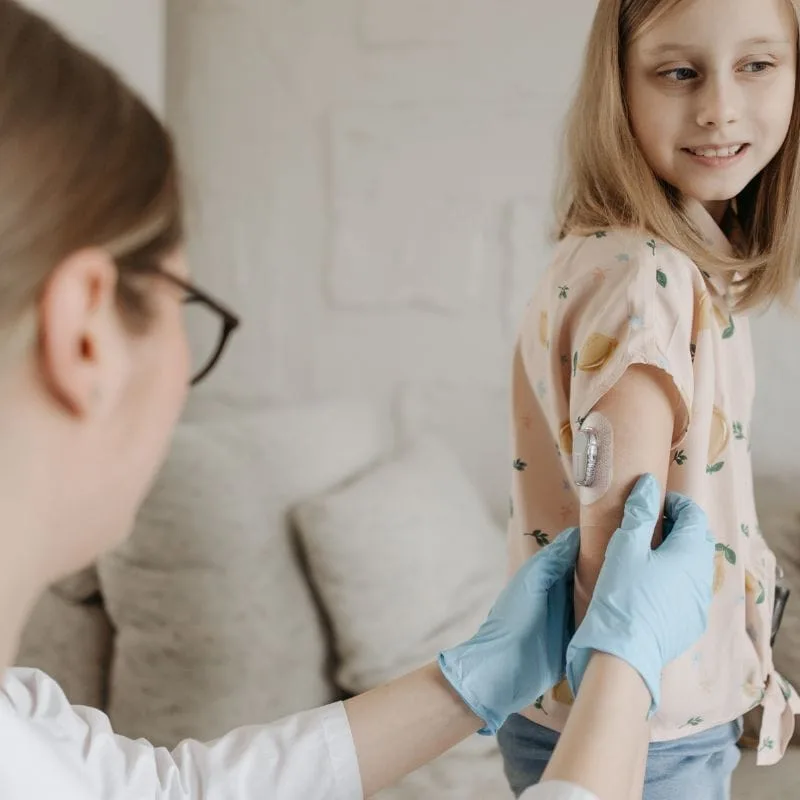
Living With Diabetes
Diabetes is a lifelong undertaking, but a child does not face it alone. The healthcare team is always ready to help, though over time the person who best understands and manages the condition should be the child themselves. This makes it important to learn about diabetes, attend regular doctor visits, and follow medical guidance. Alongside sports, play, and school activities, daily routines should continue to include insulin, healthy eating, and regular exercise without disruption. Children who learn to live well with diabetes can take part in any sport, pursue any career they choose, and thrive as successful members of society.
How Is Treatment Carried Out?
Diabetes occurs when the pancreas is unable to produce enough of the hormone insulin. Insulin is therefore given from outside the body, through injections several times a day, to prevent blood sugar from rising. Because the pancreas normally releases insulin in response to the amount and timing of meals, people using insulin also need to pay close attention to meal timing and portions. Insulin alone is not enough — a well-planned diet and regular exercise are essential parts of treatment.
Monitoring Diabetes at Home
Blood sugar should be checked regularly at different times of day — fasting or after meals — and on some days this may mean 4 or more checks. Results should be recorded consistently and shown at every doctor visit. Good blood sugar control helps protect against long-term complications affecting the eyes, kidneys, and nervous system.
If blood sugar readings are high on several occasions, or every morning before breakfast, urine should be checked for ketones. Ketones are an acidic waste product that appears when the body doesn't have enough insulin, signaling that cells are starved of energy; persistently positive ketones can progress to a serious condition called ketoacidosis, which can lead to coma. If ketones are present, exercise should be avoided, the doctor should be notified, and the insulin dose adjusted based on blood sugar levels.
Nutrition and Exercise
Every growing child needs an appropriate amount of energy through diet; a dietitian prepares an age-appropriate meal plan that is updated annually. Exercise helps insulin lower blood sugar, and regular participation in school physical education is recommended. On days with intense sports activity, the insulin dose can be reduced beforehand after discussing it with the doctor. To guard against low blood sugar (hypoglycemia) during exercise, fruit juice or a sugar source should always be on hand. Exercise should be avoided whenever ketones are present in the urine.
Doctor Visits
Regular visits with the healthcare team are essential, and home blood sugar logs should always be brought along. These visits typically include measuring height, weight, and blood pressure; an HbA1c blood test every 3 months (reflecting average blood sugar control over the past 3 months, with a target range usually of 5-7%); urine testing for sugar, ketones, and microalbumin; eye, nerve, and heart examinations; and adjustments to the meal plan with a dietitian as needed. The diabetes care team provides guidance, but it is the child who manages diabetes day to day.
Let's discuss your questions together.
Book appointment