
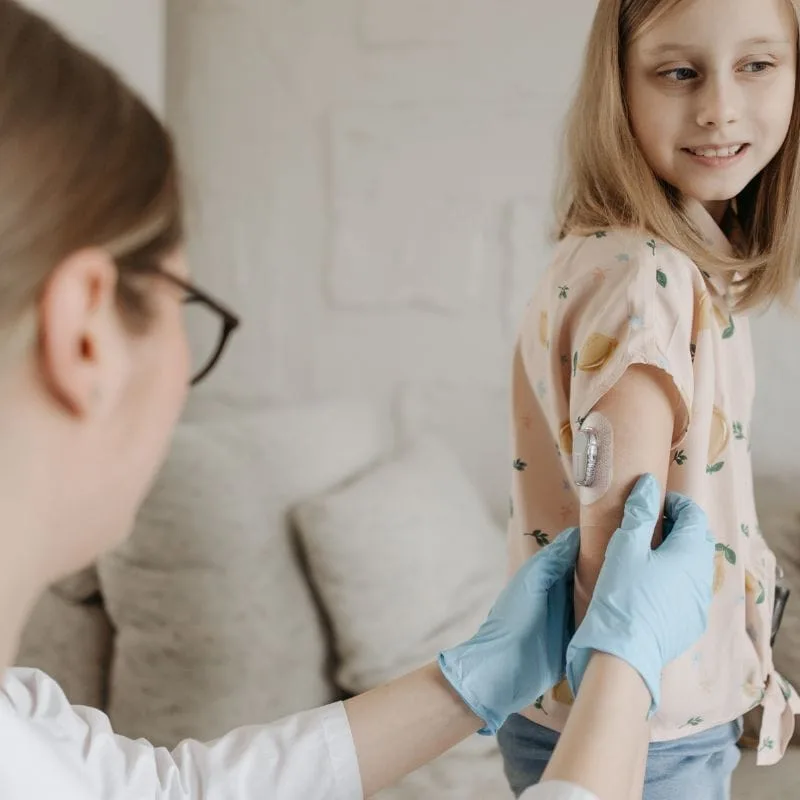
To treat eczema in children and infants, the underlying cause must first be identified. Food substances and chemicals that could touch the baby or child — such as wet wipes, creams, or similar products — should be kept away. Keeping the skin moisturized is very important; moisturizers used should be organic and free of harsh chemicals. Clothing should preferably be 100% cotton, and wool should be avoided.
Causes of Eczema in Children
The amount and composition of fat in the skin's structure changes. This leads to significant water loss from the skin, which causes persistent itching. As the skin's structure breaks down, allergenic foods or various chemicals damage the skin further and cause inflammatory cells to gather in the affected area, resulting in the visible signs of eczema.
Genetics plays a very important role in the development of eczema. A genetic defect known as a filaggrin mutation is significant in eczema, as it impairs the skin's barrier function against external factors. In infants, the most important cause of eczema is food allergy. The exact cause must be clearly identified before starting treatment. Otherwise, children with eczema are typically given moisturizers and corticosteroid ointments; the skin may seem to improve but never fully clears and doesn't respond to treatment, because if the underlying cause is a food allergy, the condition won't resolve as long as the allergenic food continues to be consumed. For this reason, it is essential to identify the exact cause.
Diagnosing Eczema in Children
Eczema should be suspected in infants with redness on the face, neck, or behind the ears, or itchy redness at joint areas. Suspicion increases further if the parents or relatives of the affected infant or child have allergic conditions. Infants or children with signs of eczema are examined to assess whether the redness is consistent with eczema. If eczema is suspected based on the family history and physical exam, tests should be done to identify the cause. Families often assume testing isn't possible because symptoms typically begin within the first 3 months after birth, but this isn't true — allergy testing via blood and skin can be done at any age, starting from birth.
Treating Eczema
Eczema treatment includes avoiding allergens and chemicals, moisturizing the skin, and applying topical treatments.
Avoidance
Once a food allergy is identified, that food must be strictly eliminated from the diet — even tasting a trace amount can trigger an allergic reaction, and sometimes even a severe allergic shock with breathing difficulty and a drop in blood pressure. This is why strict dietary avoidance matters. Foods containing additives should not be consumed, since people with food allergies are about 10 times more likely to also react to additives. If the baby is breastfed, the mother needs to follow the same diet, since allergenic substances can pass through breast milk. House dust mite allergy is also very common in children with eczema, so precautions should be taken for that as well.
Skin Care and Bathing
Because the skin of children with eczema is dry and has an impaired barrier, skin cleansing and care are very important. Soaps and shampoos that don't harm the skin should be used, and bathing should occur 2-3 times a week. Bath oils can be used when getting out of the bath to prevent water loss from the body; these can be added to the bathtub or the rinse water. Drying should be done gently, by patting with a towel.
Moisturizing the Skin
Because the skin barrier is impaired and the skin is dry in children with eczema, using a moisturizer is very important in treatment. Applying moisturizer at least twice a day is beneficial, and applying it within the first 5 minutes after bathing, while the skin is still slightly damp, is recommended. In severe cases, bathing 2-3 times a week in water containing wheat or corn starch for 10-15 minutes is recommended. Soap and shampoo used during bathing should not dry out or irritate the skin. Within 3-5 minutes after bathing, while the skin is still moist, a moisturizer should be applied to healthy skin, and the ointment recommended by the doctor should be applied to affected areas. Drying should be done by patting with a towel.
Ointments Used to Treat Eczema
Corticosteroid ointments: Used for itchy skin lesions. If applied after bathing, they should be applied within the first 5 minutes; they can be used up to 3 times a day.
Pimecrolimus ointment: Less effective than corticosteroid ointments but with fewer side effects; not yet approved for children under 2 years of age.
Anti-itch medications: Corticosteroid ointments help with itching; antihistamines can also be used.
PUVA therapy: Should only be administered by highly experienced teams; can increase susceptibility to skin cancer.
Ultraviolet light therapy: Can be beneficial for patients who don't respond to treatment; used in patients over age 12; should not be used in those sensitive to sunlight.
Immunotherapy (allergy vaccination): Not yet recommended for children with eczema.
Immunosuppressive treatments: Can be used in treatment-resistant cases.
Antiseptic textile products (silk garments): Can be recommended for children with severe eczema after moisturizers and treatment ointments have been applied. They reduce water loss from the skin, cause less irritation, and reduce the risk of skin infection.
Let's discuss your questions together.
Book appointment