
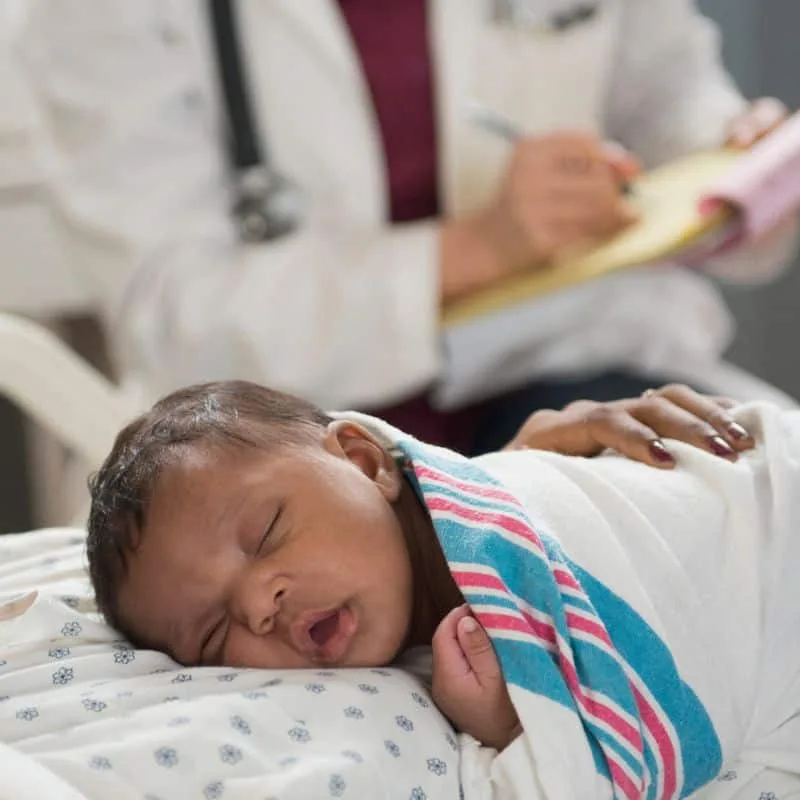



Bedwetting (Nocturnal Enuresis)
Recurring involuntary urination in children, whether at night or during the day, is medically termed nocturnal enuresis (NE) — commonly known as bedwetting. It's one of the most frequently encountered urinary system issues in childhood. Most children gain night-time bladder control around ages 2 to 4, thanks to both toilet training and the natural development of bladder capacity.
Familial Mediterranean Fever (FMF)
Familial Mediterranean Fever (FMF) is a hereditary autoinflammatory condition first described and studied extensively in Anatolia, yet it remains poorly understood by both the public and many physicians in Turkey. With early diagnosis and consistent treatment, it can be well controlled.
Henoch-Schönlein Purpura
Henoch-Schönlein purpura (HSP) is a systemic disease that typically presents first with skin and joint findings, followed by gastrointestinal and kidney involvement. It is recognized as one of the most common vasculitic syndromes in children. HSP is an IgA-type immune complex disease that causes inflammation of small blood vessels.
Vesicoureteral Reflux (VUR)
The ureters — the tubes that carry urine from the kidneys to the bladder — normally enter the bladder through a short tunnel within its muscular wall. This structure acts as a one-way valve, preventing urine from flowing back up toward the ureters and kidneys. When a developmental problem affects this valve mechanism, urine can flow backward — a condition called vesicoureteral reflux.
Kidney Stones
Although scientific research has provided substantial information about the chemical and physical composition of kidney stones, the precise cause of their formation is still not fully understood, despite advances in technology. Kidney stones are generally linked to an imbalance in the salts and minerals normally present in urine.
Let's discuss your questions together.
Book appointment